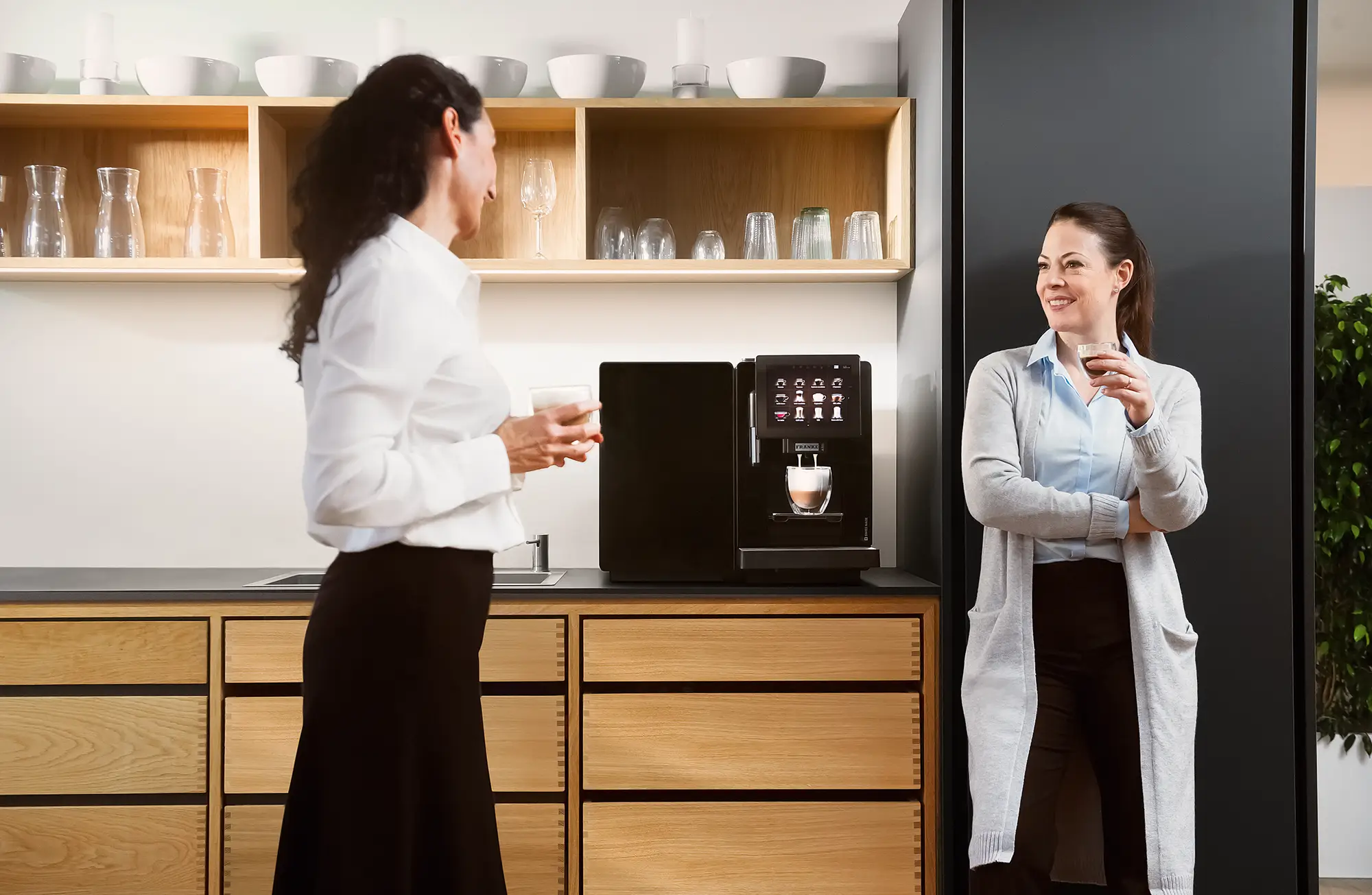
The best coffee machine for an office is the one that fits its demand, drink preferences, available space and daily operating routine. There is no single model that wins for every workplace. A machine that suits a quiet reception area may be a poor fit for a lunchroom where 30 people take a break together.
This guide sets out a practical way to compare options before you request a quote. CoffeeTec supplies workplace coffee equipment and related services, so this is a supplier's selection guide. It is not an independent laboratory test or a ranking based on hands on testing of every machine. Any examples below are illustrative planning examples, not customer results.
Start with a Short Workplace Brief
Before looking at brands, write down what the machine needs to do. Record typical attendance, the busiest day of the week, visitor use and the drinks people prefer. Note your kitchen dimensions and whether a water connection is already available.
Give the person choosing equipment a clear picture of the current problem. Is the machine too slow at 10 am? Does nobody understand the cleaning routine? Are you buying coffee that tastes fine black but disappears in a large milk drink? Each answer points towards a different selection priority.
It also helps to separate essential requirements from preferences. A suitable electrical supply or workable cleaning process is essential. A large number of recipes may be optional. Making that distinction early keeps attractive features from distracting you from the basics.
Work Out Daily Demand and Peak Demand Separately
Daily demand estimates the total number of drinks. Peak demand describes what happens during the busiest short period. Both matter, and neither can be replaced by a staff headcount alone.
An illustrative calculation is 30 people on site, 24 coffee drinkers and two drinks per coffee drinker. That gives 48 drinks before visitors or unusual events. If 20 of those coffees are wanted immediately after the same meeting, the machine's ability to serve that peak is an important part of the decision.
Ask the supplier how the proposed configuration performs with the drinks and cup sizes you plan to serve. Published output figures may be based on particular recipes or test conditions. Milk preparation, drink customisation, refilling and cleaning can affect the working rhythm, so a broad cups per day figure should not be your only comparison.
For an existing office, count actual usage across a representative week. For a new workplace, make your assumptions explicit and discuss expected growth. Avoid buying around an unusually quiet week or multiplying employee numbers by a guess without checking it.
Understand the Main Machine Descriptions
The terms used in coffee equipment overlap. Automatic describes how drinks are prepared. Self serve describes how people access and use the equipment. Vending usually introduces questions about ingredient delivery and sometimes payment. One machine may fall into more than one of these categories.
| Approach | Useful starting point | What to check |
|---|---|---|
| Automatic bean to cup | Staff want a programmed coffee menu | Exact milk system, recipes, cleaning and peak demand |
| Self serve | Staff or visitors make their own drinks | Instructions, access, ingredients and the person responsible for care |
| Coffee vending | A workplace needs a managed dispensing point | Ingredients, free or paid use, payment compatibility and replenishment |
| Traditional espresso | A trained operator will prepare drinks | Operator availability, workflow, grinder and the full cleaning routine |
This comparison explains approaches rather than promising that every option is available in every CoffeeTec hire arrangement. Use the coffee machine hire range to begin a discussion about current equipment.
Choose the Drinks Before Choosing the Accessories
Make a short list of the drinks people actually want. An office that mainly makes black coffee has different requirements from one where most orders are large milk drinks. Cup sizes, decaf requests and alternative milk preferences also influence the configuration.
Ask the supplier to explain the whole drink path. Where are ingredients stored? How is milk kept and supplied? What changes when someone selects a different drink? Which tasks happen between drinks or at the end of the day?
Do not treat a dual milk option, a separate button or a rinse program as proof of allergen separation. Ask about the exact arrangement, shared components and cleaning instructions. Accurate ingredient information and a workable process are more useful than a general claim that the machine caters for everyone.
Make Room for the Whole Coffee Station
A machine's dimensions do not describe the full space it needs in use. Consider its accessories, ventilation, access for filling and room to remove waste containers. Leave usable space for cups and cleaning tasks, not just enough room to place the machine on the bench.
Check the surrounding kitchen at a busy time. Can people collect a coffee without blocking the fridge? Can a cleaner reach the area behind the machine? Will a milk fridge door open fully? Are controls and supplies accessible to the people using them?
Water, drainage and electrical requirements must come from the exact model's installation information. For a rented office, involve the building manager early if connections, bench alterations or access arrangements may be needed. Confirm who organises that work and whether it is included in the quote.
Ask to See the Cleaning Routine
Cleaning should be part of the selection conversation, not an item left until handover. Ask someone to show you the complete routine, including removing components, using approved products, emptying waste and restarting the machine when required.
Automated cleaning can simplify parts of the process, but it does not mean there is nothing for staff to do. Franke, for example, provides cleaning information for its equipment and separate information about supported cleaning products. Always use instructions for the actual model and configuration, rather than a generic video for a similar machine.
Decide who will own the routine, where the instructions will be kept and who will cover absences. If that sounds difficult in your workplace, tell the supplier. A simpler menu or different configuration may be a better choice than a machine whose care requirements do not fit your team.
Evaluate a Demonstration with Your Own Brief
A useful demonstration shows more than one attractive drink. Ask to see the drinks you expect to serve, in your intended cup sizes, followed by the normal care routine. Where a trial is offered, confirm its conditions and agree what you want to learn from it.
Use a short scorecard. Record taste in black and milk drinks, clarity of the menu, the space needed, user confidence and the practical steps involved in cleaning. Note any unanswered questions rather than relying on an overall impression.
Be careful about drawing conclusions from a small sample. A quiet demonstration may not show how the setup handles your busiest break. Discuss that limitation and ask the supplier to explain capacity for the intended use. The aim is an informed decision, not a claim that one trial proves performance in every situation.
Compare Total Cost Over the Same Period
When comparing purchase and rental options, use the same time period and a consistent approach to GST. Include the costs that apply to each option, rather than comparing a purchase price with one month's rental payment.
A useful comparison includes equipment payments, installation, coffee and other ingredients, cleaning products, filters, scheduled servicing and any services outside the included scope. Consider any minimum purchases, delivery charges and end of agreement costs that apply. Ask which figures are fixed and which depend on use.
You can then divide the estimated total by the estimated number of drinks over that period to compare an indicative cost per drink. Keep the assumptions beside the result. This is a budgeting method, not a guaranteed saving, and actual use or changes in prices can alter the outcome.
If the word lease appears in a proposal, clarify ownership and end of term arrangements. Do not assume a hire or rental agreement includes eventual ownership. Ask the supplier to explain the actual contract in plain language before you commit.
Understand Support Before You Need It
Know who to contact if a machine stops working or a drink changes unexpectedly. Ask what information the support team will need, when assistance is available and how technical work is arranged for your location.
Check the maintenance inclusions and exclusions in writing. A broad description of support may not tell you whether parts, travel, misuse, consumables or temporary replacement equipment are covered. Keep the agreed responsibilities with the machine's instructions so the office manager can find them easily.
CoffeeTec's service and support page is a starting point for that conversation. The proposal for your site should explain the arrangement you are actually purchasing.
Match the Shortlist to the Workplace
For a small office, start with bench space, realistic attendance and an easy daily routine. For a larger shared workplace, give more attention to peak demand, queues and responsibility across teams. For visitor use, prioritise a clear menu, accurate ingredient information and accessible instructions.
A small office coffee machine category can help narrow the range, but the category name is not a technical specification. Likewise, a Franke coffee machine should be compared by its exact configuration, not the brand name alone.
If coffee quality is the main concern, include the beans and drink settings in the discussion. Compare office coffee beans in the drinks people actually order. Changing equipment without reviewing coffee supply and daily care can leave the original frustration unresolved.
Questions to Ask Before You Decide
What is the best coffee machine for a small office?
There is no universal best model. Compare actual attendance, peak use, preferred drinks, available space and daily cleaning responsibilities. Ask for a recommendation tied to those details and the terms of the proposed arrangement.
Is an automatic machine the same as a self serve machine?
No. Automatic describes the preparation process; self serve describes the user experience. An automatic machine can be part of a self serve station, but instructions, ingredient information and operating responsibilities still need to be planned.
Is renting always cheaper than buying?
No. The answer depends on the equipment, agreement, service inclusions, use and comparison period. Compare the full costs and responsibilities of both options. Neither route should be presented as automatically cheaper for every office.
Should we choose by cups per day?
Use that figure as one input. Ask how it relates to your menu and peak serving period, and check the conditions behind any quoted specification. A daily total alone does not describe queues, refilling or the practical layout of your coffee area.
Turn Your Shortlist into a Useful Conversation
Take your workplace brief, measurements and questions to the supplier. Ask for a proposal that identifies the equipment, configuration, installation requirements, inclusions and ongoing responsibilities. You should be able to explain why the proposed setup fits your office without relying on a slogan or a long feature list.
Talk to CoffeeTec about your office coffee requirements
Further Reading
- Franke A300 product information, an example of manufacturer information to check against a quoted configuration.
- Franke cleaning products and compatibility, for model appropriate care information.